
Australia is building more homes, but the improvement has yet to translate into better housing affordability.
In the June quarter of 2026, dwelling completions increased while housing affordability deteriorated. The figures measure different things, but together they reveal the challenge: increasing supply takes time, while changes in mortgage costs can affect buyers much sooner.
More construction is necessary. Whether it makes housing easier to access also depends on the cost of delivering those homes, their location and what households can afford to pay.
Construction is improving, but delivery remains below the target pace
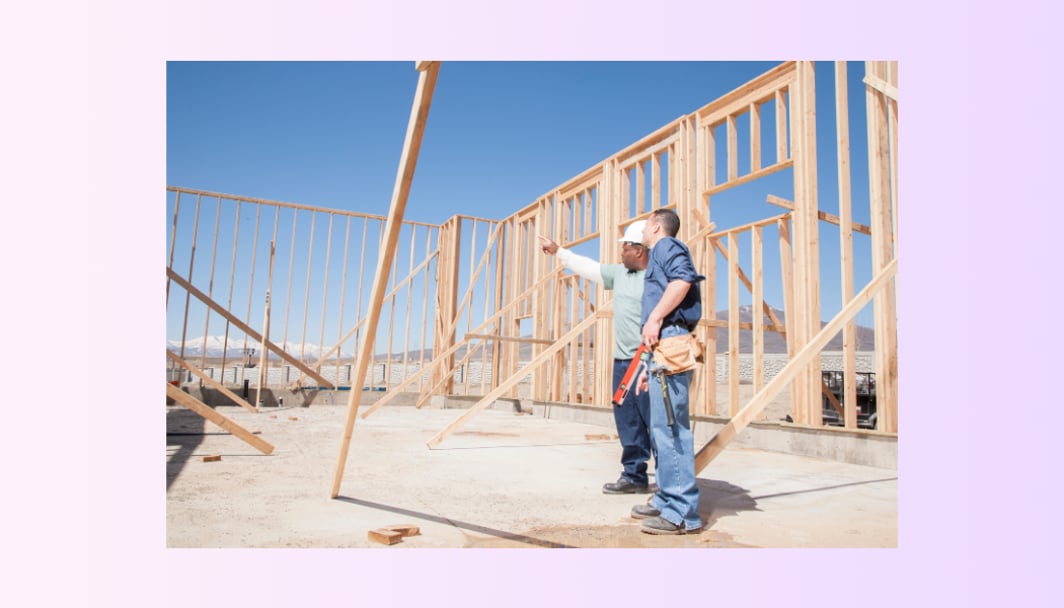
Australia completed 47,168 dwellings in the June quarter, up 5.8% from the previous quarter and 15.9% from a year earlier. Construction began on another 52,201 dwellings, a quarterly increase of 7.0%. These are meaningful improvements in both current delivery and the future pipeline.
However, the National Housing Accord target of 1.2 million homes over five years requires an average of 60,000 completions a quarter. June-quarter completions were around 21% below that average. The target is a policy benchmark, rather than an exact measure of housing need, but it puts the improvement into perspective.
One stronger quarter does not mean the housing shortage is easing. More homes need to be completed consistently in areas where they are needed.
Falling property prices have not been enough to improve affordability
The clearest evidence of the disconnect comes from the Housing Industry Association’s June-quarter affordability assessment.
Its index, which considers dwelling prices, mortgage interest rates and wages, deteriorated by 3.1%. Housing was at its least affordable since HIA’s records began in 1994. Affordability worsened during the quarter in every market it tracks, including markets where dwelling prices were declining.
A lower purchase price can reduce the deposit and loan required. But a higher interest rate increases the cost of servicing that loan. If mortgage costs rise faster than incomes, a price decline may offer less relief than buyers expect.
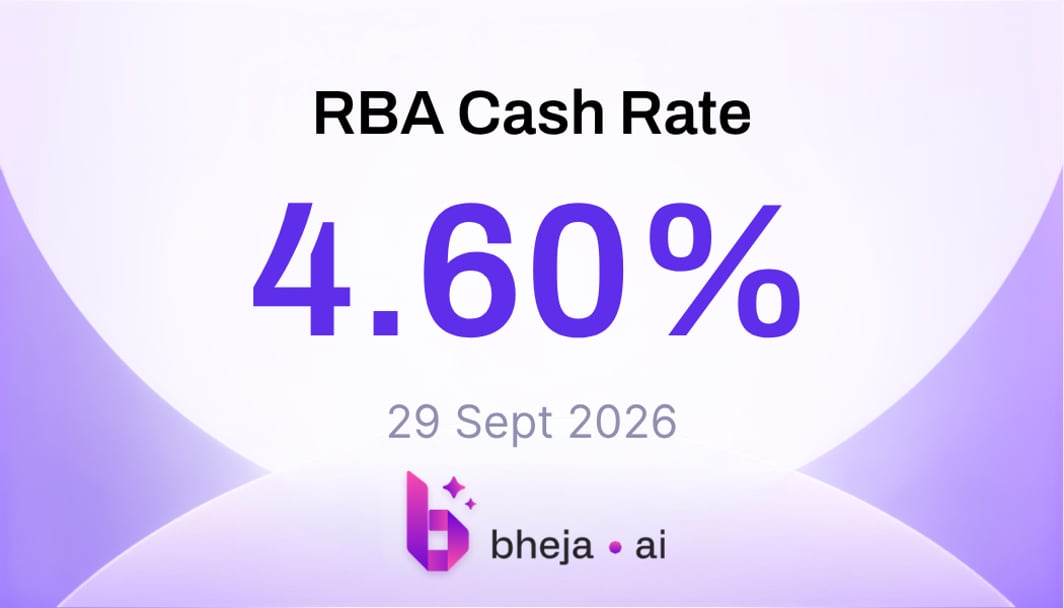
The September increase in the cash rate to 4.60% came after HIA’s assessment. It adds a further tightening in financial conditions, although the effect on an individual buyer depends on the mortgage rate offered and their circumstances.
This is why falling prices and improving affordability cannot be treated as interchangeable.
Building more homes does not mean they are becoming cheaper to build
Construction costs remain a constraint on both the price of new homes and the delivery of future projects.
The National Housing Supply and Affordability Council reports that house construction costs rose 2% in the June quarter and were 51% above pre-pandemic levels. It warns that further cost increases may reduce the financial feasibility of some housing projects.
Those pressures are also reaching buyers. ABS figures show that new-dwelling prices rose 5.4% over the year to August, as project-home builders passed on higher labour and material costs. This CPI measure covers new construction purchased by owner-occupiers and excludes land; it does not measure established-home prices.
The distinction matters. Established property prices can fall while the cost of delivering a new home remains high.
High building costs can slow the improvement in affordability. More homes may ease competition over time, but some projects may not go ahead if the expected sale prices cannot cover the cost of building them.
Inflation and interest rates put pressure on both sides of the market
Inflation affects prospective buyers through everyday expenses as well as housing costs.
Consumer prices rose 4.0% over the year to August, including a 3.6% increase in rents. For households whose income does not keep pace with their expenses, that can leave less money available to save for a deposit or meet repayments. The effect varies between households; the inflation figures alone do not measure changes in their savings.
Higher interest rates also affect future construction. The Housing Council expects recent rate increases and softer market sentiment to defer some building activity.
This creates a difficult interaction. Tighter financial conditions may weaken buyer demand, but they can also make it harder to deliver the additional homes needed for lasting affordability improvements.
Today’s completions reflect projects started earlier. They do not guarantee that the next round of projects will proceed under current costs and financing conditions.
What does this mean for you?
If you are trying to enter the housing market, more construction is encouraging. But it does not necessarily mean the homes you want will become affordable soon.
Start with what your income can support: the deposit and purchase costs you need to save, and the repayments you could manage alongside everyday expenses. As living costs rise, reviewing spending you can reduce may help keep your savings on track. It cannot remove the wider gap between housing costs and incomes.
You may also consider a different location or property type. Rentvesting, buying a property to rent out while continuing to rent where you want to live, could be one way to enter a lower-priced market.
However, a cheaper purchase does not automatically mean a manageable investment. You would still need to cover your own rent, mortgage repayments and ownership expenses, allowing for periods without a tenant. Rental income may cover only part of those costs.
Rising rents can affect both sides of that calculation. Your rental income might increase, but so could the rent you pay. The two increases may not match, and higher borrowing costs could leave you with a larger shortfall.
More homes may give you more choice over time. But buying becomes easier only when the price and mortgage repayments fit your budget.