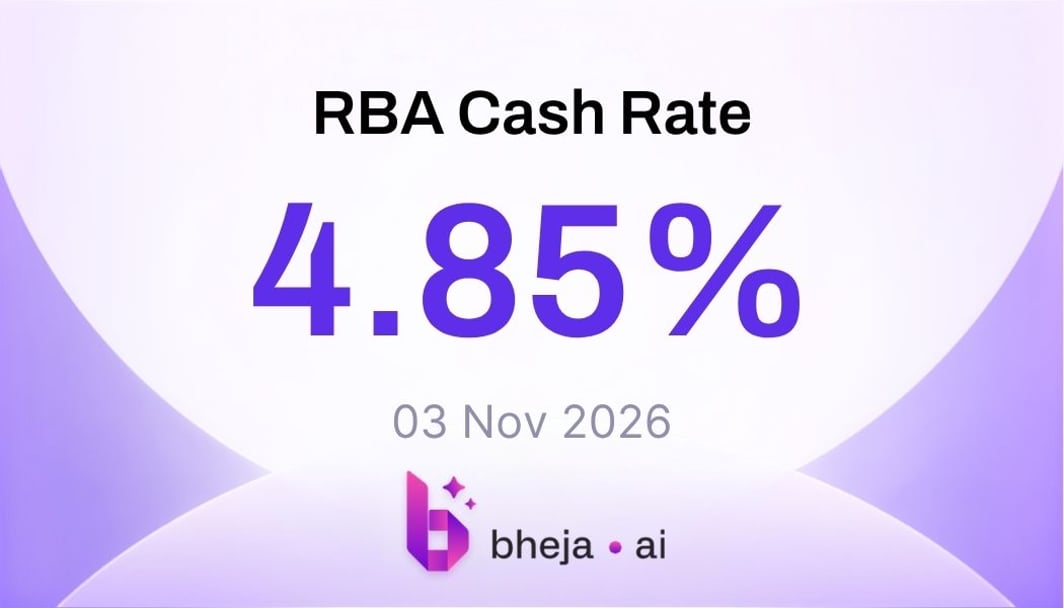

The RBA raised the cash rate by 0.25 percentage points to 4.85% on 3 November 2026, its highest level since November 2008. It was the fifth increase this year.
Why did the RBA raise the cash rate again?
Inflation was higher than the RBA expected, and the bank now expects it to stay above its 2–3% target for longer. The Board judged that another rate rise would help bring inflation back towards target.
- Price rises were widespread. Consumer prices rose 4.3% in the year to September, up from 4.0% in the year to August. The RBA also pointed to sizeable price rises across a range of services.
- Higher fuel prices added to inflation. The RBA expects higher fuel and other commodity costs to flow through to some consumer prices over time. How much gets passed on, and when, remains uncertain.
- The economy had less room to meet demand than the RBA previously thought. Spending has slowed, but the RBA judged that limits on what the economy could supply had put more pressure on prices than it had estimated in August.
- The Board was concerned high inflation could become harder to bring down. If households and businesses come to expect prices to keep rising quickly, those expectations could influence the wages people ask for and the prices businesses set.
The RBA also noted that the housing market had weakened and unemployment had risen more than expected. Those were signs the economy was cooling, even as inflation surprised on the upside.
How much have mortgage repayments risen since January?
Say you have a $600,000 variable home loan with 25 years left. If your lender passes on November’s hike in full, taking your rate from 6.00% to 6.25%, your monthly repayments would rise from about $3,866 to $3,958. That’s $92 more a month.
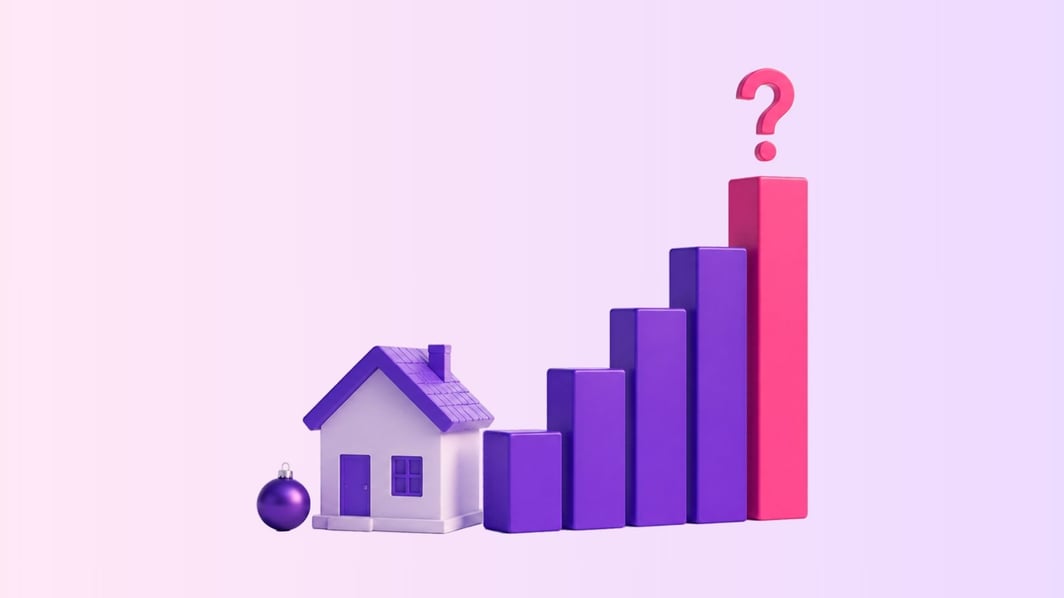
Now go back to January. At a rate of 5.00%, the same loan would have cost about $3,508 a month. If your lender passed on all five hikes in full, you’d be paying $450 more a month than in January, including the latest $92 increase.
Illustrative example only. The calculation uses the same loan balance and remaining term at each rate, assumes monthly principal and interest repayments, and excludes fees.
Will the RBA raise rates again in December?
Westpac expects the RBA to leave the cash rate at 4.85% on 8 December 2026. In its update after the November hike, Westpac pointed to the split Board vote and Governor Michele Bullock’s remarks about taking stock after five rate rises. Westpac still sees 4.85% as the likely peak, though it hasn’t ruled out another hike.
There’s more data to come before the Board meets. The ABS will release October inflation on 25 November and September-quarter economic growth on 2 December. The RBA now expects inflation to return to 2.5%, the midpoint of its target range, around mid-2028. That’s an inflation forecast, not a timetable for rate changes.
For borrowers, a December hold would leave the cash rate unchanged. It wouldn’t undo any mortgage rate increase your lender has already passed on.
What should you check once your lender responds?
Check how much of the hike your lender is passing on, when the new rate starts and when your minimum repayment changes. Then look at the rate itself. Two lenders can pass on the same increase and still charge different rates.
Bheja’s Home Loan Health Check helps you see how your current rate compares. A lower rate on a comparable loan gives you a starting point for a conversation with your lender. If you’re considering switching, compare the fees, features and remaining term as well.